
Continental Cuisine
Duration: 3 Months (12 Weeks)
The Continental Cuisine course is a hands on culinary training program designed to equip participants with essential cooking skills, professionalism, and a self-employment mindset. Through practical sessions in diverse continental cuisines, trainees learn food preparation, hygiene, safety, menu planning, and presentation. The course prepares individuals to work confidently in professional kitchens or start their own ventures, focusing on both technical mastery and personal development.
Key Features of Training & Special Modules
This course is designed to go beyond conventional classroom training. It emphasizes practical learning, market relevance, and personal development, equipping trainees with employable skills that directly respond to industry needs
1. Hands-On Culinary Training
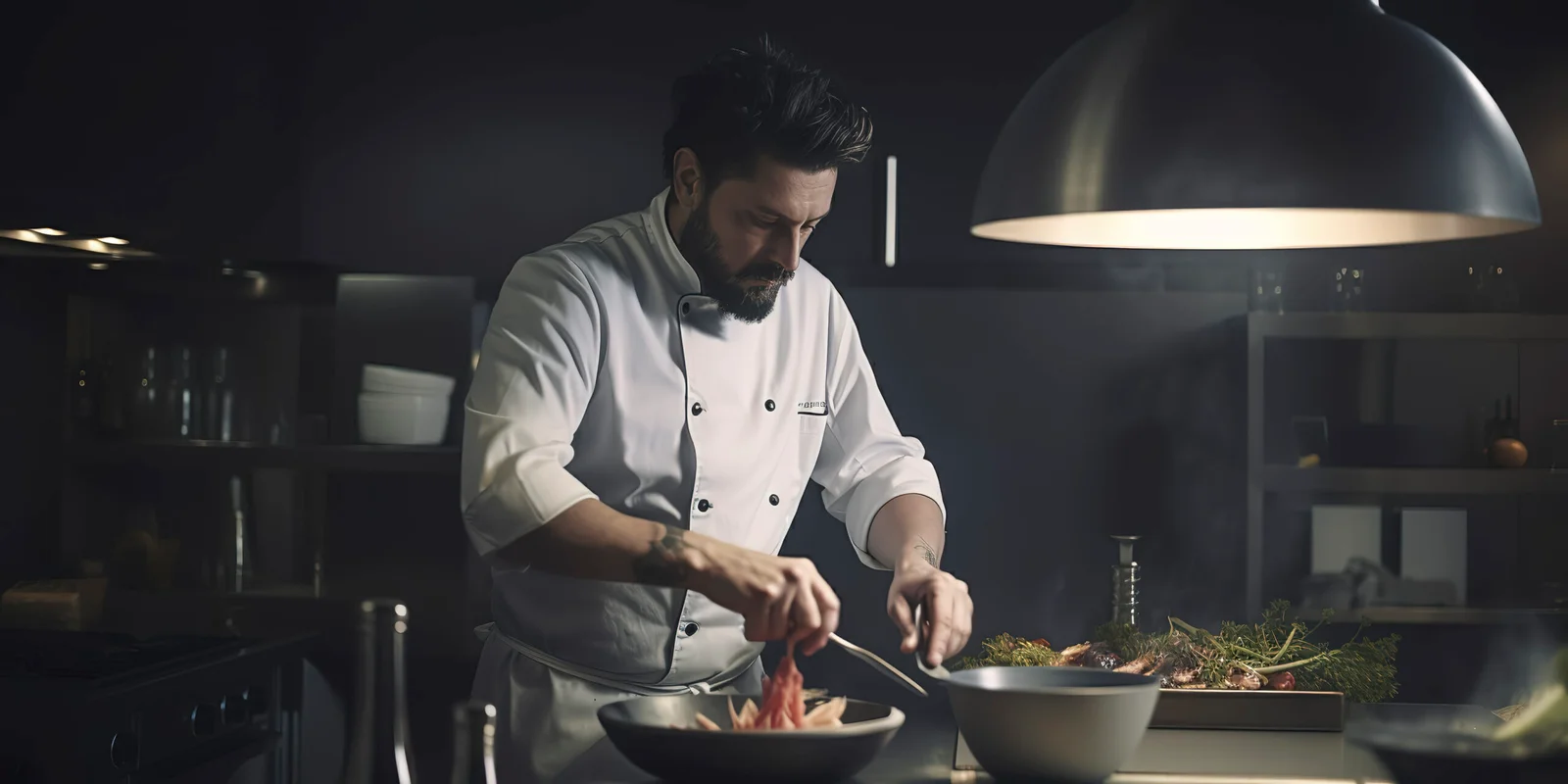
Focus on practical work with live cooking sessions covering Lebanese, Spanish, Chinese, Italian, and Turkish cuisines.
2. Professional Skills Development
Emphasis on food safety, hygiene, tool handling, knife techniques, and kitchen professionalism.
3. Creative & Entrepreneurial Learning
Includes recipe development, menu planning, and training for self-employment and market-readiness. 4. Motivation & Personality Development
4. Modern Teaching & Evaluation Methods
Use of demos, videos, cooking challenges, and weekly assignments with continuous performance tracking.

Training Tools/ Methodology
The course is delivered using a dynamic, learner-centered approach that blends technical instruction, hands-on practice, and personal development. The methodology is designed to keep trainees engaged, motivated, and industry-ready from day one.
1. Demonstration-Based Learning
Instructors conduct live demonstrations of recipes and techniques, breaking each process into clear, step-by-step instructions to ensure visual and practical understanding.
2. Hands-On Practice
Trainees actively prepare dishes during each session, applying learned techniques under instructor supervision to reinforce skill development through repetition and real-time feedback.
3. Use of Multimedia Tools
Training is supported with curated cooking videos, visual aids, charts, and diagrams to enhance comprehension and keep sessions engaging and interactive.
4. Activity-Driven Approach
Includes recipe development, menu design, mystery ingredient challenges, food tastings, and exhibitions—encouraging creativity, problem-solving, and team collaboration.
5. Assessment & Feedback Mechanism
Weekly tasks, such as flavor profiling and dish replication, are used to evaluate progress. Instructors provide constructive feedback to help trainees refine their culinary skills
6. Real-World Exposure
Guest chef appearances, cultural cuisine explorations, and optional field visits connect trainees with industry practices and trends.
Intake to the Training
- Minimum Education: Secondary School Certificate (SSC) or equivalent.
- Interest Required: Keen interest in hospitality, especially cafe/barista work.
- Physical Fitness: Must be able to handle standing and equipment-related tasks.
- Age Range: Ideally between 18 to 35
- Communication Skills: Basic Urdu or English skills for understanding instructions.
- Career Focus: Preference for candidates aiming for employment or self-employment in hospitality
Learning Outcomes of the Course
By the end of the Continental Cuisine course, trainees will have developed a comprehensive set of culinary skills aligned with industry standards and self-employment opportunities. They will be able to:
1. Apply accurate measurement and cutting techniques
Used in professional kitchens, ensuring precision and consistency in food preparation.
2. Understand and implement international culinary practices
Including cooking methods, presentation styles, and ingredient handling across a range of continental cuisines.
3. Demonstrate knowledge of food safety and hygiene
Both personal and kitchen-related, in accordance with HACCP principles and best practices.
4. Plan and design menus
For different occasions, applying principles of nutrition, flavor balance, and cultural relevance.
5. Exhibit creativity and professionalism
In preparing and presenting a wide range of dishes, with the ability to replicate standardized recipes and develop original ones.
6. Adapt to a real kitchen environment
Showing responsibility, teamwork, time management, and problem-solving abilities needed in the culinary or hospitality sector.
7. Pursue self-employment or job opportunities
Confidently by leveraging technical skills and market awareness gained during the course.
Course Execution
Total Duration: 1 Months (4 Weeks)
Class Schedule: 6 days per week
Daily Class Hours: 2 hours per day
Weekly Hours: 12 hours per week
Total Contact Hours: 48 hours
Employment Opportunities Across Industry Sectors
Graduates of this Course can explore a wide range of career opportunities in the local and international hospitality and service sectors. Trained individuals are well-suited for roles in:
- Hotels & Motels
- Restaurants & Cafes
- Fast Food Chains & Food Outlets
- Catering Companies & Banquet Services
- Event Management Companies
- Airlines & Airports (Hospitality Services)
- Corporate Offices (In-house Cafeterias & Beverage Services)
- Government Hospitality Services
- Industrial Canteens & Factories
- Start-ups & Entrepreneurial Ventures (Tea kiosks, mobile cafes, snack shops)
- Food Media & Content Creation
Learning Place
This Course will be delivered in a hybrid training environment designed to simulate real world hospitality settings. The learning will take place at:
1. Classroom Facility
- For theoretical sessions, discussions, motivational lectures, and case studies.
- Equipped with whiteboards, multimedia projectors, and seating arrangements conducive to interactive
2. Lab /Kitchen
- A dedicated, fully equipped lab/kitchen and a wide range of ingredients to facilitate practical sessions.
3. Partner Locations (Field Exposure)
- Industry visits to professional cafes, restaurants, or catering setups for real-time exposure and learning.
Workplace & Institute Ethics Guide
A strong work ethic is a cornerstone of professional success. This course not only builds technical and practical skills but also emphasizes the values and behaviors essential for thriving in professional environments. The following principles outline the expectations for conduct during training and in the workplace.
1. Attendance & Punctuality
- Attend all scheduled classes regularly and on time.
- Plan absences responsibly and avoid unnecessary leave.
- Respect training hours as a reflection of real-world discipline.
2. Integrity & Character
- Be honest and accountable in all tasks and assessments.
- Complete assignments responsibly and seek to improve consistently.
- Uphold personal and professional integrity at all times.
3. Teamwork & Cooperation
- Work respectfully and collaboratively with peers and instructors.
- Support fellow trainees and share knowledge generously.
- Listen to others, compromise when needed, and contribute positively to group tasks.
4. Professional Appearance
- Maintain a clean and well-groomed appearance.
- Follow dress codes and practice good personal hygiene.
- Understand that first impressions matter in hospitality.
5. Positive Attitude & Learning Mindset
- Be open to feedback, show enthusiasm for learning, and accept responsibility for mistakes.
- Demonstrate adaptability, resilience, and a willingness to learn new skills.
- Prioritize safety and follow institute rules and guidelines.
6. Productivity & Ownership
- Stay focused and complete work with quality and efficiency.
- Take initiative and go beyond the minimum when possible.
- Show pride in your performance and strive for continuous improvement.
7. Organizational & Time Management Skills
- Use time wisely and manage tasks efficiently.
- Maintain cleanliness and order in workspaces.
- Balance social interaction with professional focus.
8. Communication Skills
- Practice clear, respectful, and effective verbal and written communication.
- Engage in active listening and express ideas constructively.
- Handle customer and peer interactions with
9. Adaptability & Respect for Rules
- Follow institute protocols and workplace policies.
- Adapt to new tools, systems, or procedures as required.
- Embrace change with a growth mindset.
10. Mutual Respect & Diversity
- Respect diversity in opinions, backgrounds, and perspectives.
- Value every individual’s contribution and treat others with courtesy.
- Build an inclusive and respectful learning environment.